DENGUE
Description
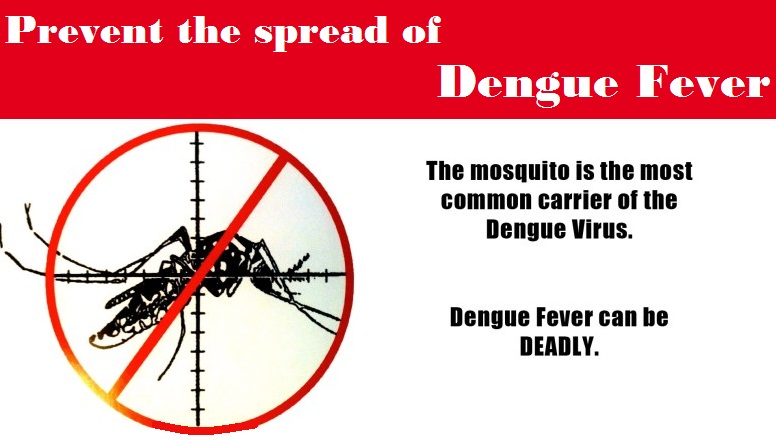
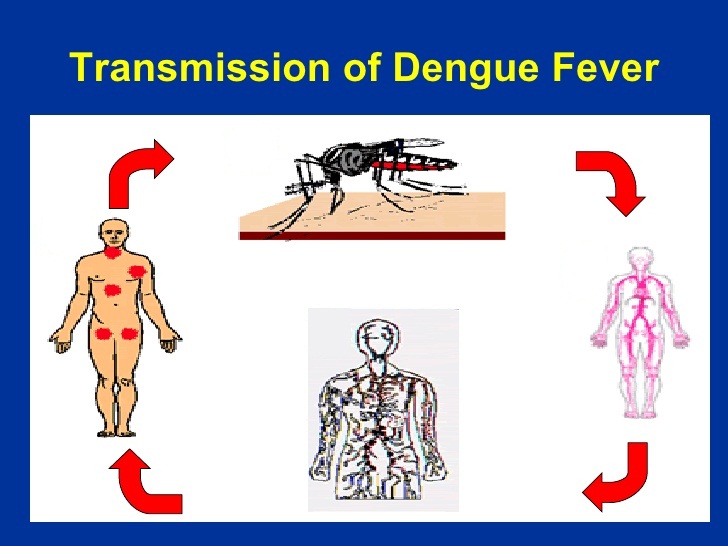
Dengue is a viral infection caused by four types of viruses (DENV-1, DENV-2, DENV-3, DENV-4) belonging to the Flaviviridae family. The viruses are transmitted through the bite of infected Aedes aegypti and Aedes albopictus female mosquitoes that feed both indoors and outdoors during the daytime (from dawn to dusk). These mosquitoes thrive in areas with standing water, including puddles, water tanks, containers and old tires. Lack of reliable sanitation and regular garbage collection also contribute to the spread of the mosquitoes.
Risk
Risk of Dengue exists in all over Pakistan but it goes high in densely populated areas of Punjab like Lahore, Faisalabad, Sialkot, Multan, and Rawalpindi. All travellers are at risk during outbreaks. Long-term travellers and humanitarian workers going to areas where Dengue is endemic or at higher risk. Dengue occurs in urban and suburban settings with higher transmission rates happening during the rainy season.
Symptoms
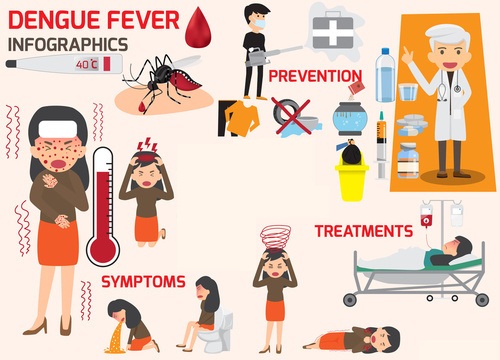
In some cases, Dengue infection is asymptomatic – persons do not exhibit symptoms. Those with symptoms get ill between 4 to 7 days after the bite. The infection is characterized by flu-like symptoms which include a sudden high fever coming in separate waves, pain behind the eyes, muscle, joint, and bone pain, severe headache, and a skin rash with red spots. Treatment includes supportive care of symptoms. There is no antiviral treatment available.
The illness may progress to Dengue Hemorrhagic Fever (DHF). Symptoms include severe abdominal pain, vomiting, diarrhea, convulsions, bruising, and uncontrolled bleeding. High fever can last from 2 to 7 days. Complications can lead to circulatory system failure and shock, and can be fatal (also known as Dengue Shock Syndrome).
If you are infected with the same Dengue virus serotype you become immune to future infections. However, if you are infected subsequently with a different serotype, immunity wanes over time which increases the risk of developing Dengue Hemorrhagic Fever.
Dengue is related to Zika Virus, Yellow Fever, West Nile Virus, and Japanese Encephalitis. It can be misdiagnosed for Chikungunya, Zika Virus, or Yellow Fever.
Prevention
- Travellers should take meticulous measures to prevent mosquito bites during the daytime.
- Use a repellent containing 20%-30% DEET or 20% Picaridin on exposed skin. Re-apply according to manufacturer's directions.
- Wear neutral-coloured (beige, light grey) clothing. If possible, wear long-sleeved, breathable garments.
- If available, pre-soak or spray outer layer clothing and gear with permethrin.
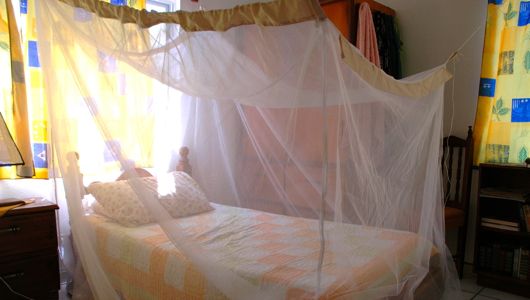
- Get rid of water containers around dwellings and ensure that door and window screens work properly.
- Avoid visiting areas prone to mosquitoes

SMOG
Description
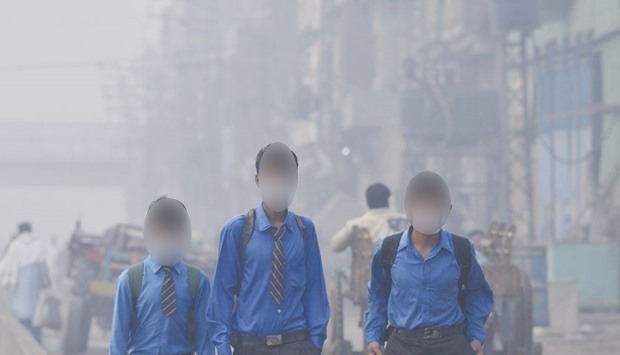
A huge wave of SMOG has engulfed mainly Central Pakistan due to Pollution, our neighbor farmers and lesser rainfall; affecting visibility, forcing people to staying indoors & other health related problems. As info, situation will prevail unless it rains.
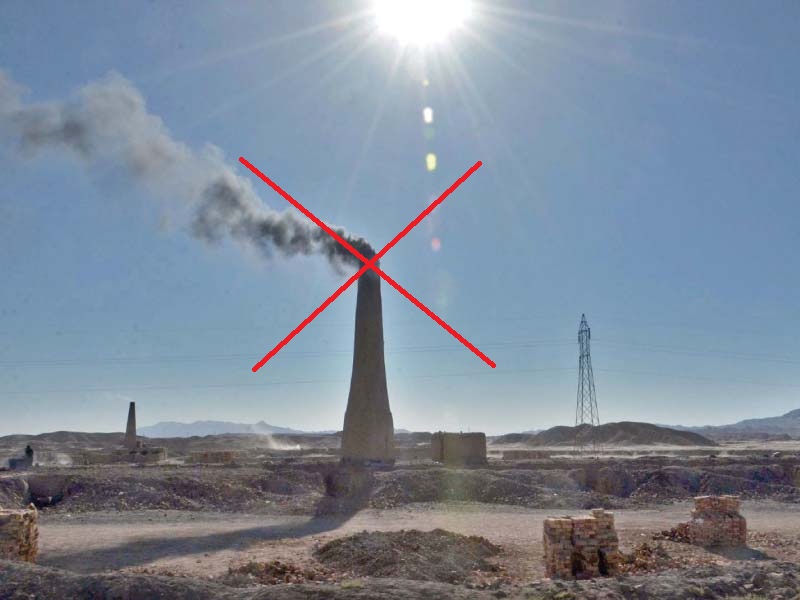
The term SMOG describes; a mixture of Emissions under Specific Climate Conditions. These emissions include:-
- Industrial pollutants, Car & other vehicle pollutants.
- Open burning / Incinerators.
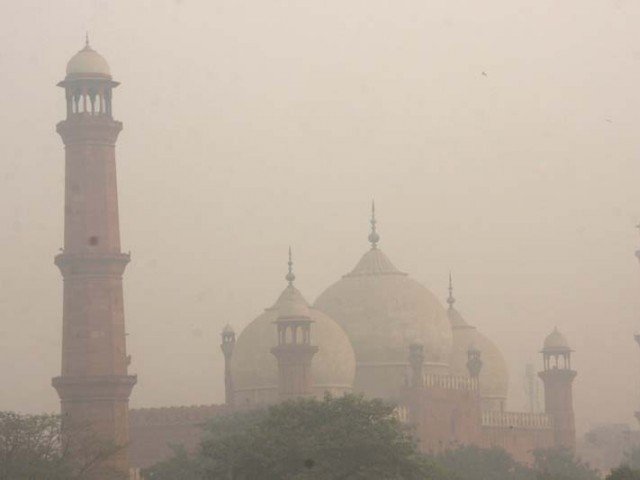
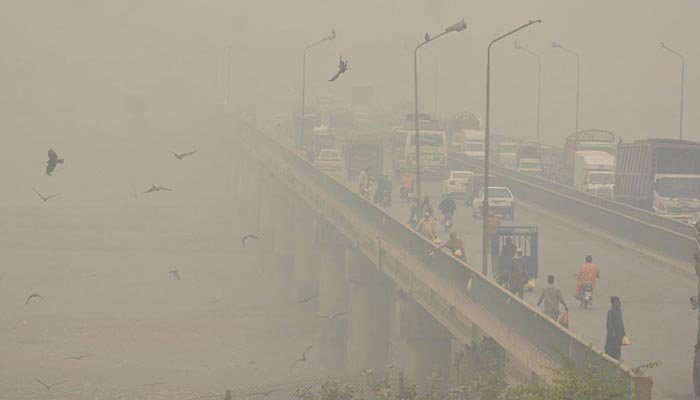
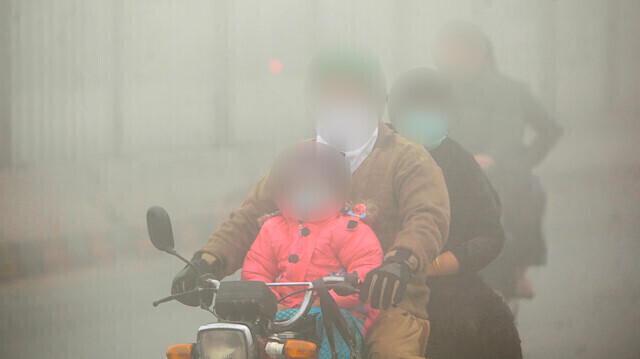
Effects of SMOG
The Smog is relatively toxic and can cause Respiratory problems, Coughing, Eye irritation, Itchy skin and Headache.
Precautionary Measures Against Smog
- Avoid being outdoors near heavy traffic areas to minimize exposure.
- When outside, take rest breaks in the shade & drink plenty of water.
- Avoid strenuous work outdoors.
- Reduce your contribution to pollution by avoiding driving & smoking.
- If driving is unavoidable, drive slow & use headlights plus fog lights / blinkers / hazards even in day time.
- When indoors, close windows & other inlets of air.
- For people with asthma & / or chronic Obstructive Pulmonary disease, have your inhaler with you at all times. Keep your doctor on speed dial if your condition has the potential to worsen.
- Important to note that smog affects everyone differently & some people are more susceptible to its negative effects.
- Children, elders & people with asthma need to be especially careful on smoggy days.
- Bike users must use face masks & glasses to protect their eyes.
- Drink plenty of water & wash your eyes frequently.